Pages of Human Stories: Youth Living Books
- Kaş, Antalya, Türkiye 10-18 December 2024
About the Project
The Erasmus+ Youth Exchange "Pages of Human Stories: Youth Living Books" brought together young people from Serbia, Turkey, Germany, North Macedonia, France, and Croatia to tackle one of the most pressing social challenges of our time — discrimination, hate speech, and social exclusion.
Rooted in the European strategy for 2030 and its emphasis on countering discrimination and promoting fairness, the project was built on a simple but powerful belief: that young people must be actively involved in shaping a fairer society. Rather than addressing these issues through traditional education alone, the exchange used a creative and deeply human approach — the "Human Library" concept, where participants became living books, sharing personal stories, challenging stereotypes, and fostering empathy through cultural exchange and creative expression.
By creating a safe and open space for dialogue, the project empowered young people to broaden their perspectives, confront prejudice, and step into the role of advocates for inclusivity and positive change in their communities.
The "Pages of Human Stories: Youth Living Books" project aimed to:
- Increase awareness of hate speech, unfair treatment, social exclusion, and discrimination among young people.
- Create a space to discuss and exchange personal experiences, stories, and thoughts on these topics in an open and respectful environment.
- Challenge stereotypes and broaden participants’ worldviews through direct human connection and storytelling.
- Develop key competencies including effective communication, active listening, empathy, critical thinking, and problem-solving.
- Empower participants to become proactive advocates for inclusivity and meaningful social change in their communities.
- Contribute to the creation of more inclusive, understanding, and cohesive societies across Europe.

Project Activities
The youth exchange was structured around several key activities:
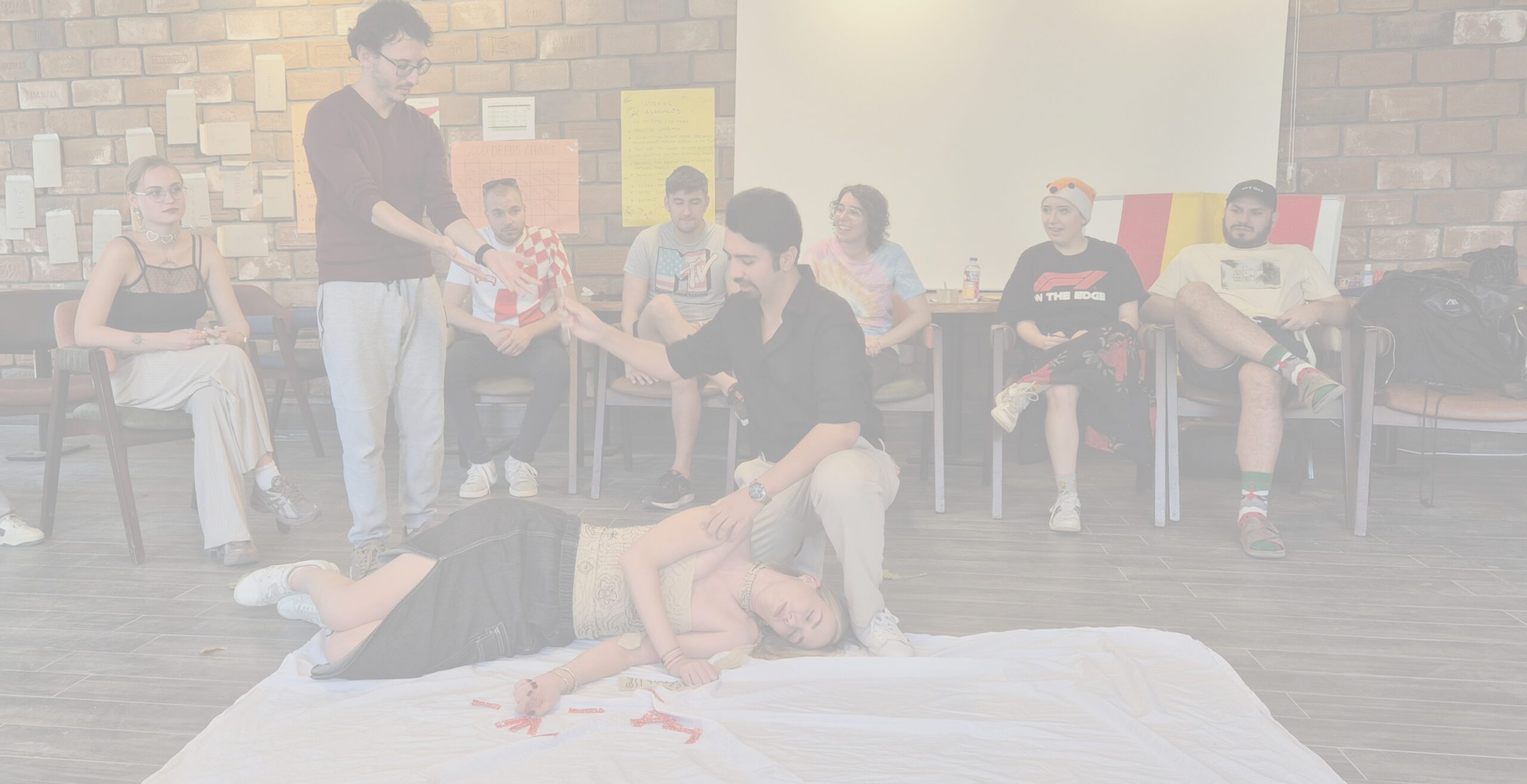
- Human Library Sessions — The centrepiece of the exchange, where participants acted as living books — sharing personal stories and lived experiences to challenge stereotypes and foster genuine empathy and understanding.
- Workshops on Discrimination and Hate Speech — Interactive sessions exploring the roots, forms, and impact of hate speech, unfair treatment, and social exclusion in participants’ home countries and across Europe.
- Cultural Exchange Activities — Through creative expression and intercultural dialogue, participants shared their backgrounds and perspectives, broadening their worldviews and building mutual respect.
- Empathy and Communication Exercises — Activities designed to strengthen active listening, empathy, and effective communication — essential skills for anyone working toward social inclusion.
- Advocacy and Action Planning — Participants reflected on how they can become advocates for change in their own communities, developing ideas and commitments to carry forward after the exchange.
- Intercultural Dialogue — Bringing together young people from six countries created a rich and dynamic environment for sharing experiences of discrimination and inclusion across different national and cultural contexts.
Expected Results and Impact
Through the youth exchange, participants and their communities benefited in several important ways:
- Heightened awareness of discrimination, social exclusion, and hate speech and their impact on individuals and communities.
- Broader and more empathetic worldviews shaped by direct human connection and personal storytelling.
- Stronger competencies in communication, active listening, critical thinking, and empathy.
- The confidence and tools to become proactive advocates for inclusivity and social justice in their communities.
- Meaningful connections with young people from six European countries united by a commitment to fairness and inclusion.